%2Ffit-in%2F250x250%2Fguide_websites%2F180096%2Fimages%2F17825207899390c4e8574-1350-4246-bca1-5f70283a1298.jpeg&w=1920&q=100)
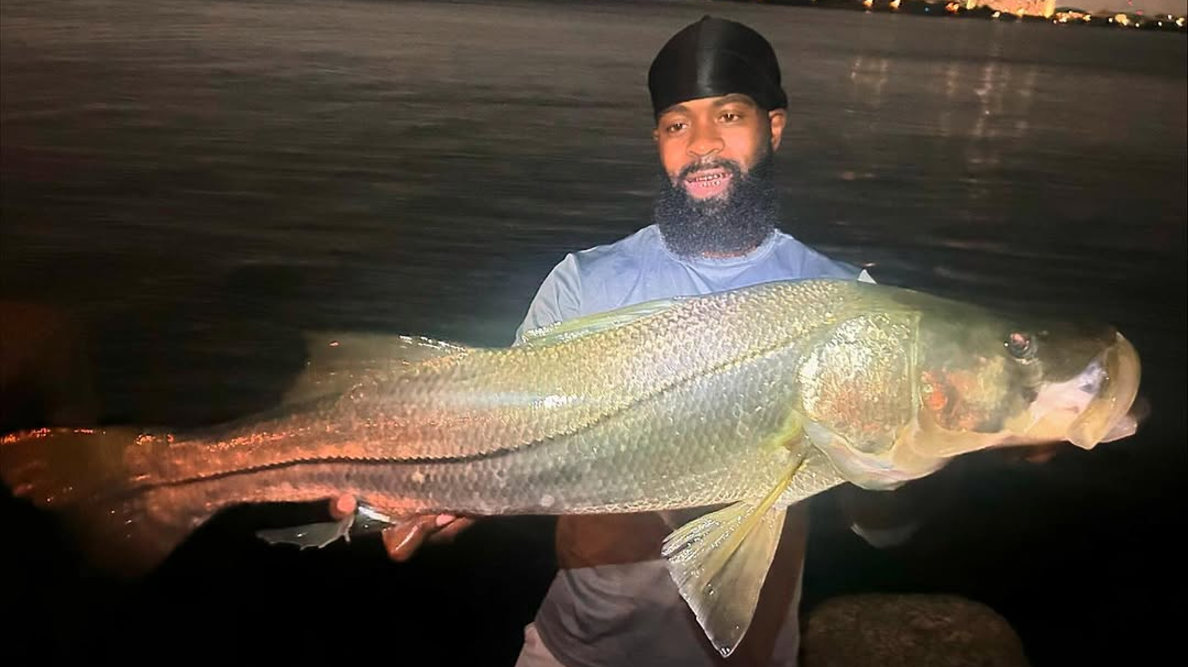
Trophy Snook Catch Key Biscayne Night Charter
Night Snook Fishing in Key Biscayne - What to Expect
%2F%2Fusers%2Fd71fd9c0-014c-45eb-ad2a-f1cf7b7df0d9%2Fimages%2Fkey-biscayne-snook-night-fishing-2615.jpg&w=1920&q=75)
Fishing Charter by Captain Boris Moore in June
Meet your Captain Boris Moore
- Biscayne Bay Fishing Charters & Guide


Summary
Join Captain Boris Moore of Dragg Running Junkie on Friday, June 27 for an explosive night snook fishing charter in Key Biscayne. This adrenaline-fueled fishing charter targets hard-fighting snook under cover of darkness, when these aggressive predators are at their most active. Expect dynamic strikes and powerful runs on every cast.
Fishing Charter with Captain Boris Moore - Rates & Booking
Captain Boris Moore of Dragg Running Junkie operates on Friday, June 27, delivering high-octane night snook fishing action in Key Biscayne. This fishing charter puts you in prime position to tangle with aggressive snook during their most active feeding windows. Captain Moore's local expertise and tactical approach maximize your chances at trophy fish. Contact Dragg Running Junkie to lock in your dates and secure a spot on this explosive night bite.
Highlights of This Night Snook Charter
Night fishing for snook in Key Biscayne unleashes pure adrenaline. These powerful fish explode on topwater plugs and live baits, delivering hard strikes and acrobatic runs that test your skills and equipment. The darkness amplifies the energy - every surface strike hits like a jolt, and the fight feels intensified under moonlight and stars.
Key Biscayne's coastal waters provide ideal snook habitat. Deep channels, mangrove edges, and structure-rich areas concentrate feeding fish during nighttime hours. Captain Moore navigates these productive zones with precision, positioning you for maximum encounters with hungry snook ready to attack.
Local Species Insights: Snook
Snook are explosive, hard-fighting fish that command respect from anglers chasing action and adrenaline. These aggressive predators cruise shallow and deep water zones throughout Key Biscayne, hunting at night when visibility changes and feeding intensity spikes. Snook respond with violent strikes to both live bait and artificial lures, making them thrilling opponents on light to medium tackle.
These fish thrive in the diverse ecosystem surrounding Key Biscayne - mangrove shorelines, grass flats, and deeper channels all hold trophy-class snook. Night fishing capitalizes on their nocturnal feeding behavior, when snook move from deeper daytime holds into shallower hunting grounds. The darkness gives snook confidence to strike boldly, resulting in explosive surface activity and constant adrenaline-pumping action.
Snook possess incredible power and speed, utilizing their streamlined bodies to accelerate through water with explosive force. Their lateral line sensitivity makes them responsive hunters in low-light conditions, allowing them to locate and attack prey with precision. Fighting a snook on the end of a line delivers raw, unfiltered action - head shakes, powerful runs, and acrobatic leaps that define memorable fishing moments.
The waters around Key Biscayne create a perfect convergence of habitat and predator behavior that makes night snook fishing so electrifying. Tidal movements funnel fish into predictable zones. Temperature stability in subtropical waters keeps snook active and aggressive throughout the year. Captain Moore's knowledge of these dynamics transforms each trip into a high-energy hunting expedition where explosive strikes define your experience.
Fishing in Key Biscayne: Snook
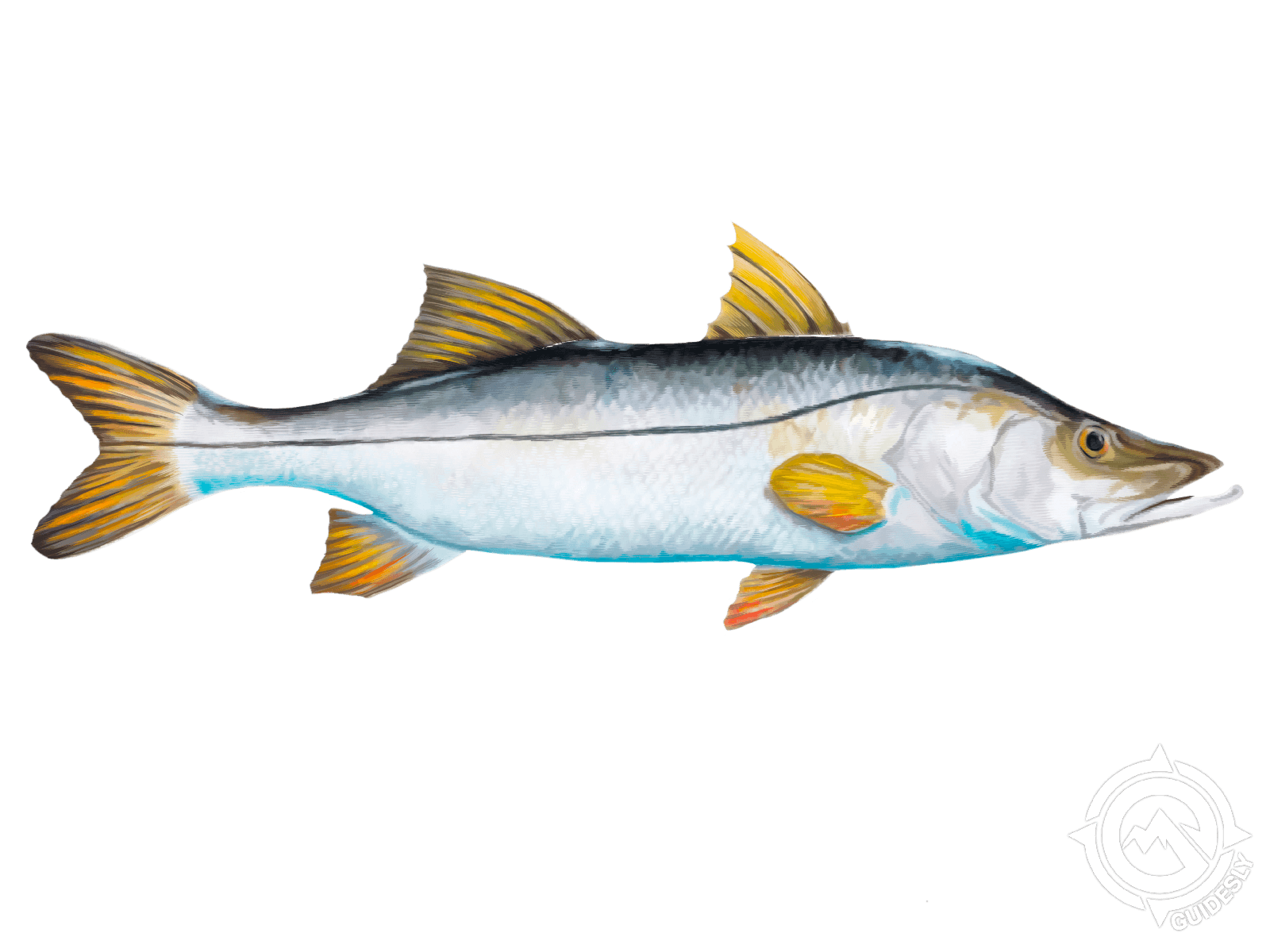
The Common Snook (Centropomus undecimalis) is a remarkable fish species belonging to the Centropomidae family within the order Perciformes. These sleek predators are instantly recognizable by their pronounced dark lateral line that runs from gill to tail, along with their distinctive sloped forehead and protruding lower jaw. What makes these fish truly fascinating is their ability to change from male to female after maturation - meaning most of the trophy-sized specimens you'll encounter are actually females! Their golden-yellow coloration and pale fins make them one of the most beautiful inshore game fish you'll ever target.
Snook Overview
These estuarine-dependent fish are considered one of the premier inshore game species, offering anglers an incredible combination of fighting power and acrobatic displays. They're masters of ambush predation, using their wide tails to generate explosive bursts of speed that can catch even experienced anglers off guard. What sets them apart from other inshore species is their remarkable adaptability - they can thrive in everything from fresh water creeks to saltwater flats, thanks to their sophisticated osmoregulation abilities that allow them to handle dramatic changes in salinity.
Snook Habitat and Distribution
You'll find these incredible fish throughout the warm waters of the western Atlantic Ocean, from North Carolina all the way south to Brazil, including the entire Gulf of Mexico and Caribbean. They're highly temperature-sensitive creatures that depend on estuaries, mangroves, and shallow coastal waters for their entire life cycle. Adult fish typically inhabit lagoons and coastal areas up to 60 feet deep, but they regularly venture into brackish creeks and inlets. The juvenile fish rely heavily on mangrove systems and shallow grass flats for protection from predators, making these areas crucial nursery habitats that support the entire population.
Snook Size and Weight
Most anglers encounter fish ranging from 16 to 30 inches, though these powerful predators can reach impressive sizes up to 50 inches in length. Typical fish weigh between 12 and 29 pounds, but don't let that fool you into thinking they're easy targets. The current world record, caught in Costa Rica, weighed an astounding 59 pounds 8 ounces and measured 47.6 inches long. Interestingly, fish in Central American waters tend to grow significantly larger than their northern Atlantic coast cousins, likely due to longer growing seasons and more abundant forage.
Snook Diet and Behavior
These opportunistic carnivores feed on a diverse menu that includes fish, crabs, shrimp, and other crustaceans found in both fresh and saltwater environments. They're classic ambush predators that rely on cover and structure, positioning themselves near mangrove roots, docks, and grass edges to strike unsuspecting prey. Their feeding behavior changes throughout the day, with peak activity often occurring during dawn and dusk periods. They're also known for their explosive surface strikes, making them incredibly exciting targets for topwater enthusiasts.
Snook Spawning and Seasonal Activity
The spawning season runs from May through September, coinciding with new and full moon cycles when these fish gather in high-current areas near inlets and passes. During this period, their fins turn a brilliant bright yellow, making them even more spectacular to observe. Males actively bump females to trigger egg release, and the fertilized eggs are carried seaward by strong currents. After hatching, juvenile fish make their way back to inshore nursery areas where they can find protection and abundant food sources.
Snook Techniques for Observation and Capture
Targeting these fish is remarkably similar to largemouth bass fishing, with many successful lures crossing over between the two species. Soft plastic swimbaits, jerkbait-style minnows, and jigging shrimp imitations are incredibly effective, especially when worked around structure. Topwater plugs and crankbaits can produce explosive strikes during low-light periods. For fly fishing enthusiasts, patterns like the Imitator or Dahlberg Diver work exceptionally well when sight-fishing the flats. Around major coastal cities, focus your efforts on residential canals, mangrove shorelines, and bridge structures where these cover-oriented fish feel secure.
Snook Culinary and Utilization Notes
These fish offer excellent table fare with firm, white meat that has a mild, sweet flavor profile. The meat is low in fat and high in protein, making it a healthy choice for various cooking methods including grilling, baking, or blackening. However, many anglers practice catch-and-release due to their importance as a recreational species and their vulnerability to cold weather events that can cause significant population declines. When properly prepared, the fillets are comparable to grouper or red snapper in both texture and taste.
Snook Frequently Asked Questions
Q: What is the best bait for targeting snook?
A: Live shrimp, pilchards, and pinfish are incredibly effective live baits, while soft plastic swimbaits and topwater plugs work excellently for artificial presentations. The key is matching your bait to the local forage and presenting it near structure.
Q: Where can I find snook near coastal cities?
A: Look for them around residential canals, mangrove shorelines, bridge pilings, and dock structures. They love ambush points where they can hide in shadows and strike passing prey.
Q: Are snook good to eat?
A: Absolutely! They offer firm, white meat with excellent flavor that's perfect for various cooking methods. However, many anglers release them due to their value as a sport fish and susceptibility to environmental pressures.
Q: When is the best time to catch snook?
A: Dawn and dusk periods typically offer the best action, though they can be caught throughout the day around structure. Warmer months provide the most consistent fishing, while spawning season from May to September can offer spectacular opportunities near inlets.
Q: What tackle should I use for snook fishing?
A: Medium to medium-heavy spinning or baitcasting gear works well, with 15-20 pound test line being ideal. These fish are notorious for their gill-rattling jumps and powerful runs, so a smooth drag system is essential.
Q: Why do snook die during cold weather?
A: They're extremely temperature-sensitive fish that can experience massive die-offs when water temperatures drop suddenly below their tolerance range. This makes them vulnerable to unseasonable cold fronts, particularly in their northern range.