%2Ffit-in%2F250x250%2Fguide_websites%2F180096%2Fimages%2F17825207899390c4e8574-1350-4246-bca1-5f70283a1298.jpeg&w=1920&q=100)
/users/d71fd9c0-014c-45eb-ad2a-f1cf7b7df0d9/ratecard/623283902_18085299356144717_5578871372483860962_n-mqvmb67i.jpg)
%2F300x300%2Fusers%2Fd71fd9c0-014c-45eb-ad2a-f1cf7b7df0d9%2Fratecard%2F623283902_18085299356144717_5578871372483860962_n-mqvmb67i.jpg&w=256&q=75)
%2F300x300%2Fusers%2Fd71fd9c0-014c-45eb-ad2a-f1cf7b7df0d9%2Fimages%2Fkey-biscayne-cubera-snapper-2777.jpg&w=256&q=75)
%2F300x300%2Fusers%2Fd71fd9c0-014c-45eb-ad2a-f1cf7b7df0d9%2Fimages%2Fkey-biscayne-tarpon-night-catch-2493.jpg&w=256&q=75)
%2F300x300%2Fusers%2Fd71fd9c0-014c-45eb-ad2a-f1cf7b7df0d9%2Fimages%2Fkey-biscayne-black-drum-catch-2695.jpg&w=256&q=75)
%2F300x300%2Fusers%2Fd71fd9c0-014c-45eb-ad2a-f1cf7b7df0d9%2Fimages%2Fkey-biscayne-tarpon-catch-2582.jpg&w=256&q=75)
%2F300x300%2Fusers%2Fd71fd9c0-014c-45eb-ad2a-f1cf7b7df0d9%2Fimages%2Fkey-biscayne-snook-catch-2599.jpg&w=256&q=75)
%2F300x300%2Fusers%2Fd71fd9c0-014c-45eb-ad2a-f1cf7b7df0d9%2Fimages%2Fkey-biscayne-black-drum-catch-2631.jpg&w=256&q=75)
%2F300x300%2Fusers%2Fd71fd9c0-014c-45eb-ad2a-f1cf7b7df0d9%2Fimages%2Fkey-biscayne-redfish-catch-2593.jpg&w=256&q=75)
%2F300x300%2Fusers%2Fd71fd9c0-014c-45eb-ad2a-f1cf7b7df0d9%2Fimages%2Fkey-biscayne-snook-catch-2564.jpg&w=256&q=75)
%2F300x300%2Fusers%2Fd71fd9c0-014c-45eb-ad2a-f1cf7b7df0d9%2Fimages%2Fkey-biscayne-snook-night-fishing-2590.jpg&w=256&q=75)
%2F300x300%2Fusers%2Fd71fd9c0-014c-45eb-ad2a-f1cf7b7df0d9%2Fimages%2Fkey-biscayne-tarpon-catch-2584.jpg&w=256&q=75)
4hr PM Inshore Fishing Trip - Biscayne Bay, FL
 Biscayne Bay
What you will be catching:
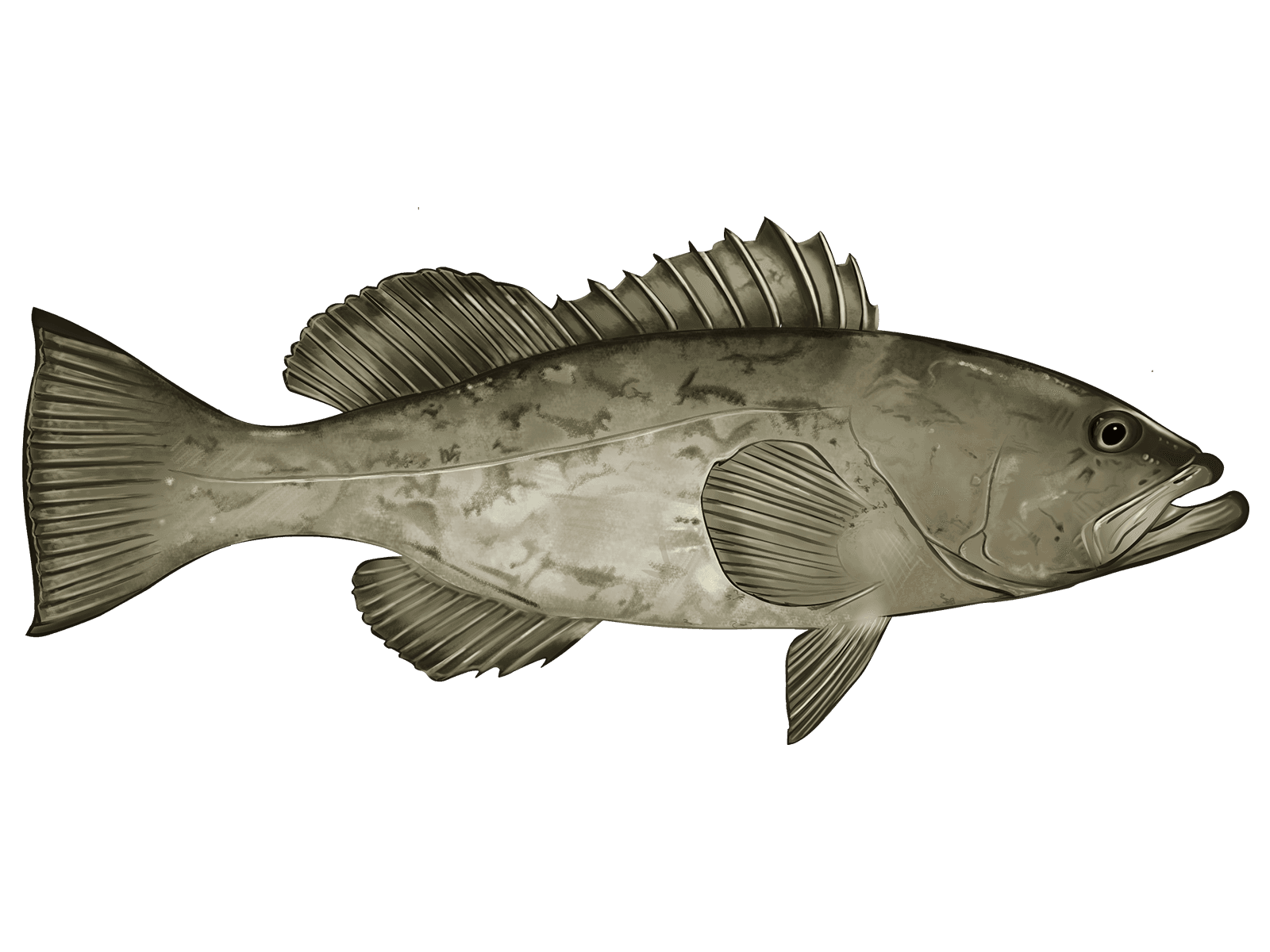
 Gag Grouper
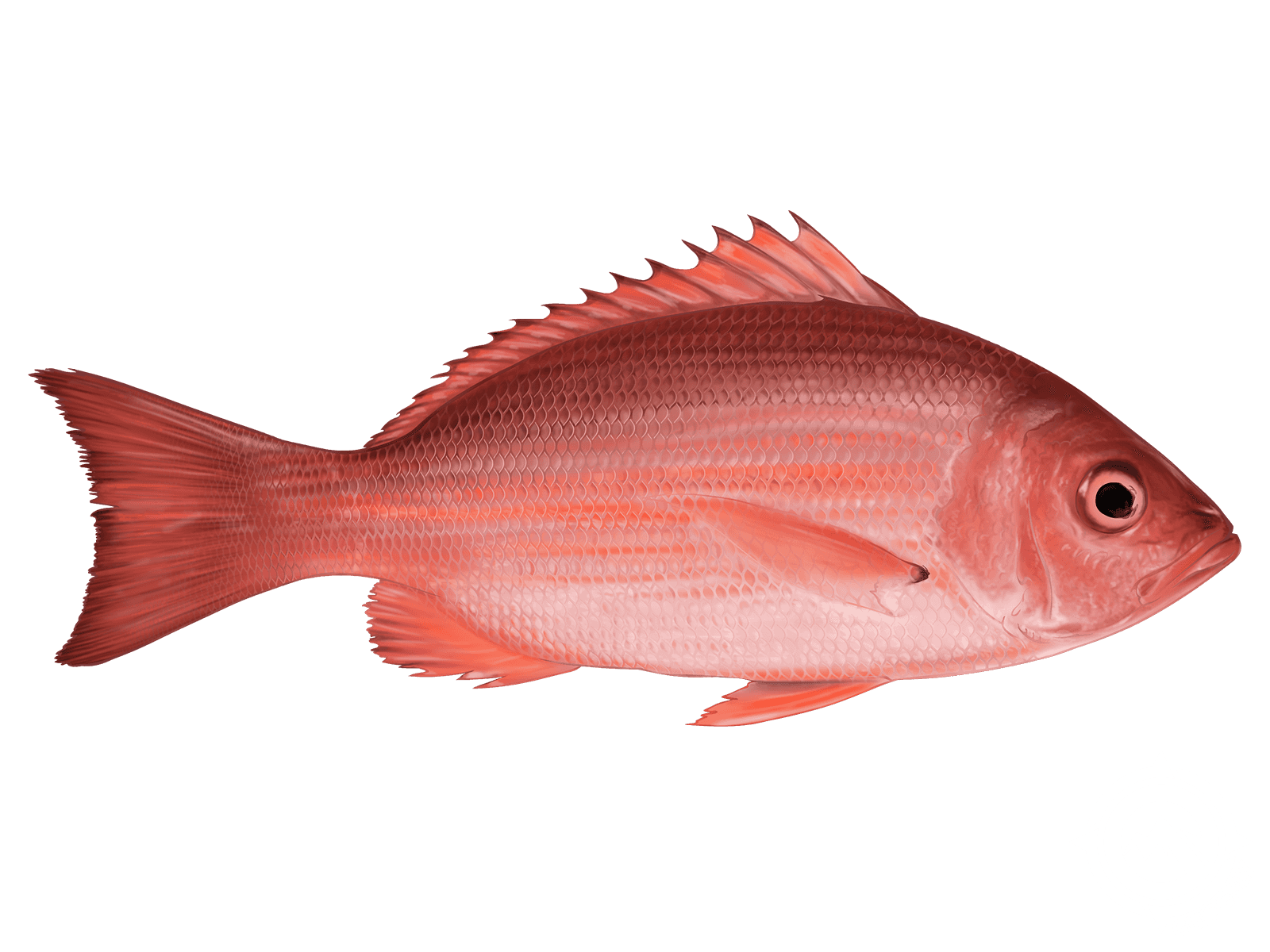
 Red Snapper
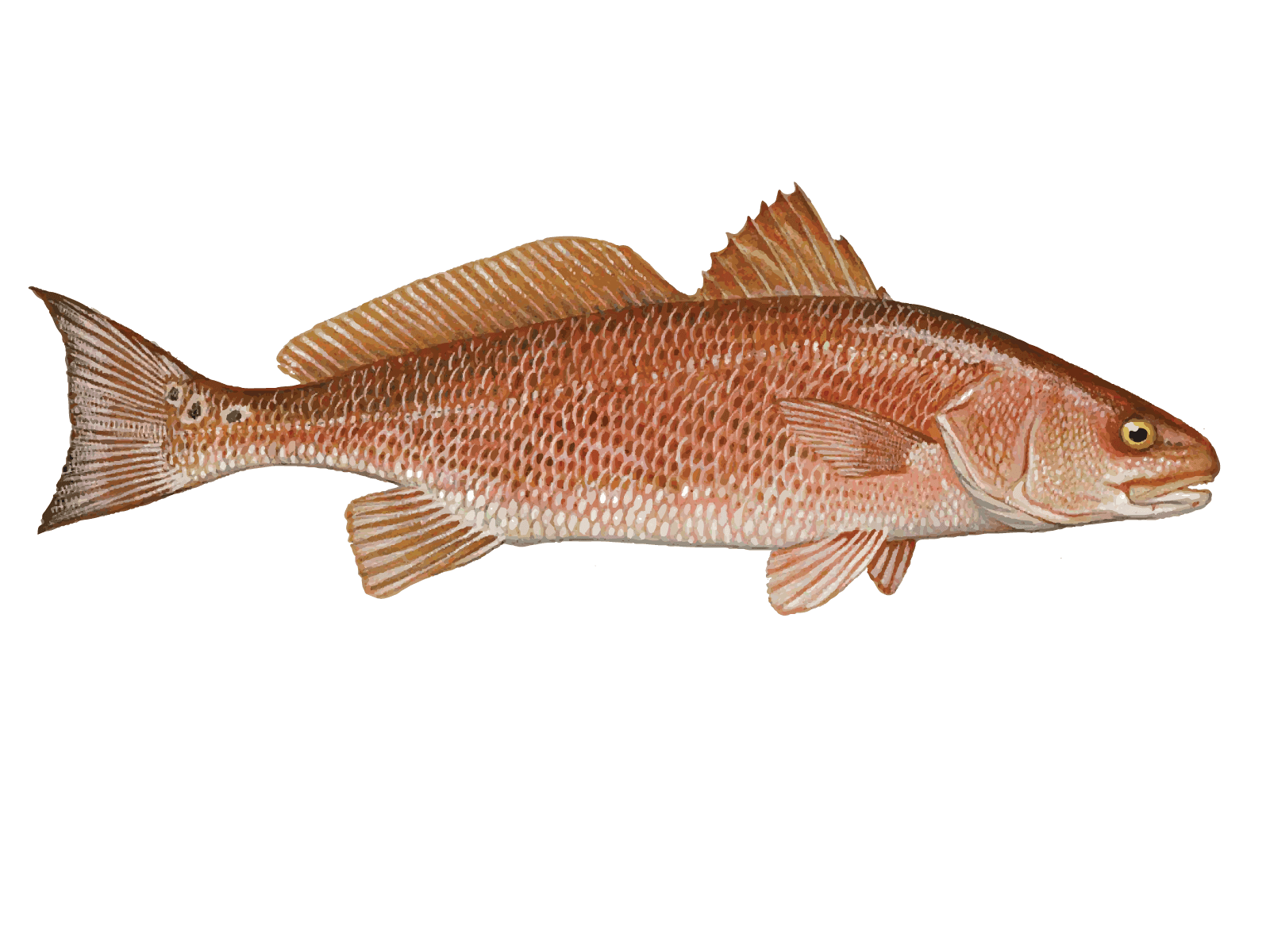
 Redfish
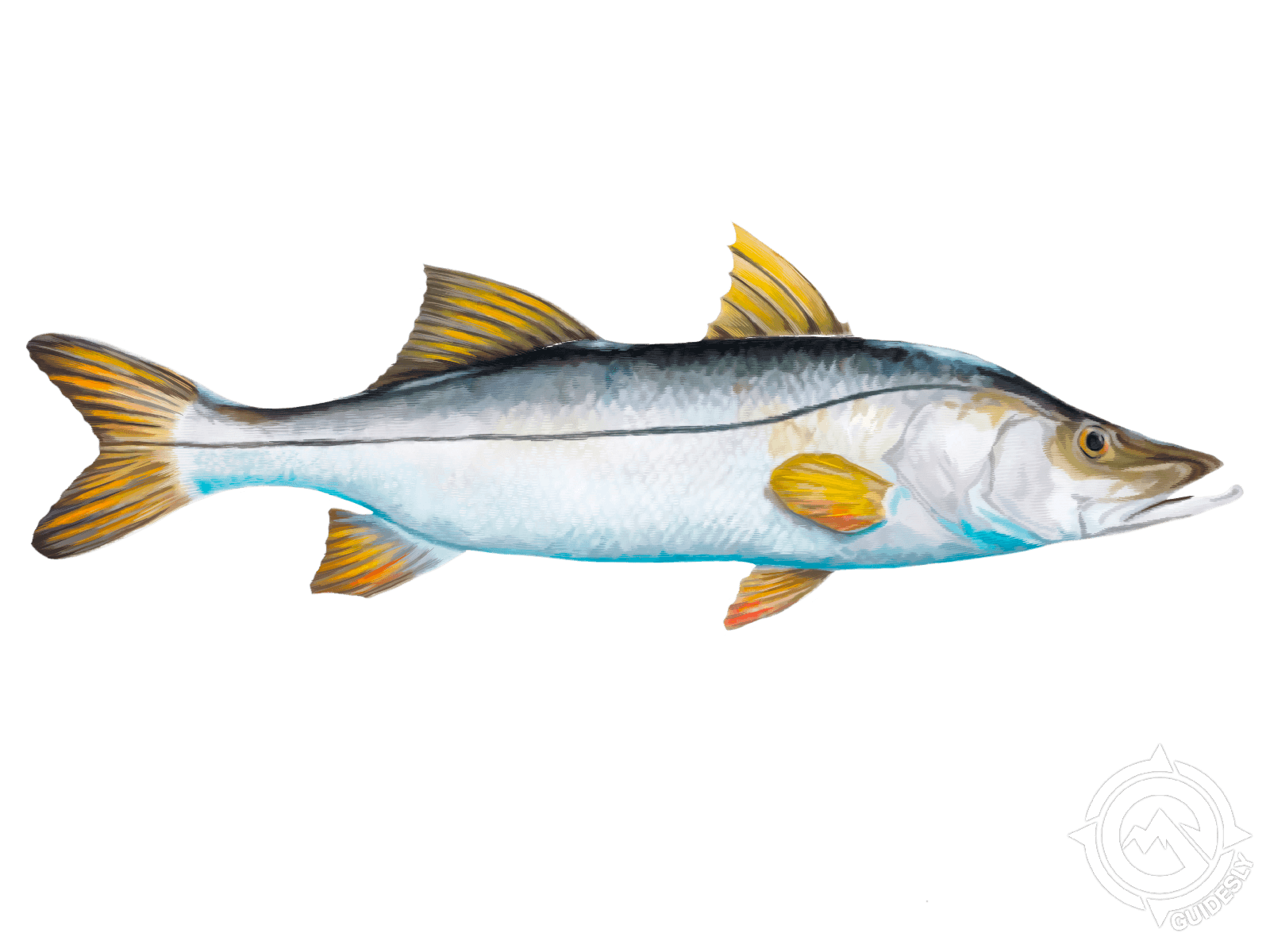
 Snook
Snook Tarpon
- Four-hour private inshore fishing trip in Biscayne Bay
- All equipment, licenses, bait, and cleaning services included
- Accommodates four guests with experienced local captain
Trip Pricing and Availabilities:
4hr PM Inshore Fishing Trip - Biscayne Bay, FL
Looking for a solid afternoon on the water? This 4-hour private inshore fishing trip puts you right in the heart of Biscayne Bay's most productive fishing grounds. Departing at 1:00 PM from Crandon Marina, you'll have plenty of time to work the flats, hit some structure, and maybe even sneak in some reef fishing before the sun starts to set. With space for up to four anglers (six total capacity), this is your chance to get away from the crowds and focus on what really matters – putting fish in the boat.
What to Expect on the Water
Biscayne Bay is one of those special places where every cast has potential. We'll be working a mix of habitat depending on what's biting and the conditions we find. The bay's shallow flats are perfect for sight fishing, while the deeper channels and cuts hold different species altogether. You might find yourself casting to structure one minute and drifting live bait the next. The afternoon timing works great here – the water's had time to warm up, baitfish are active, and predators are on the prowl. The trip includes everything you need: quality rods and reels, all terminal tackle, live bait, fishing licenses, and even refreshments to keep you comfortable. Plus, we'll clean your catch at the end of the day so you can take home dinner without the mess.
Techniques and Tackle
We'll be running a variety of techniques to maximize your chances. Live bait fishing is huge here – nothing beats a frisky pilchard or pinfish when snook are lurking around mangrove edges or tarpon are rolling in the channels. Spinning tackle gives us the versatility to work everything from shallow grass flats to deeper reef edges. When we're reef fishing, we'll drop down with heavier tackle to pull gag grouper and red snapper off the bottom before they can get back to their holes. Drifting techniques work great for covering water and finding active fish, especially when targeting redfish cruising the flats or tarpon moving through the bay. The key is reading the water and adjusting our approach based on what we're seeing – tide, wind, bait activity, and fish behavior all play a role in which technique we'll use.
Top Catches This Season
Red snapper are the bread and butter of the deeper waters around Biscayne Bay. These chunky fish typically run 15-25 pounds in our area and fight like crazy when you hook them. They're most active during the cooler months, roughly October through March, and they love structure – wrecks, reefs, and rocky bottom. What makes red snapper so exciting is their willingness to bite and their excellent table fare. Once you find a school, you can usually stay busy for a while.
Gag grouper are another reef favorite that gets anglers fired up. These spotted bruisers can push 30+ pounds and have an attitude to match. They're ambush predators that sit tight to structure, so you need to get your bait right in their face. Winter months are prime time for gags, and they're known for that initial bulldogging run that tests your drag and your patience. The fight is half the fun, but their flaky white meat makes them a top target for the dinner table.
Snook are the inshore glamour species here in South Florida. These silver-sided fighters love mangrove shorelines, dock pilings, and any structure that provides ambush points. They're incredibly fun on light tackle – explosive strikes, acrobatic jumps, and strong runs that keep you on your toes. Best fishing is typically during the warmer months, and they're notorious for their moody feeding patterns. When they're on, though, it's game time.
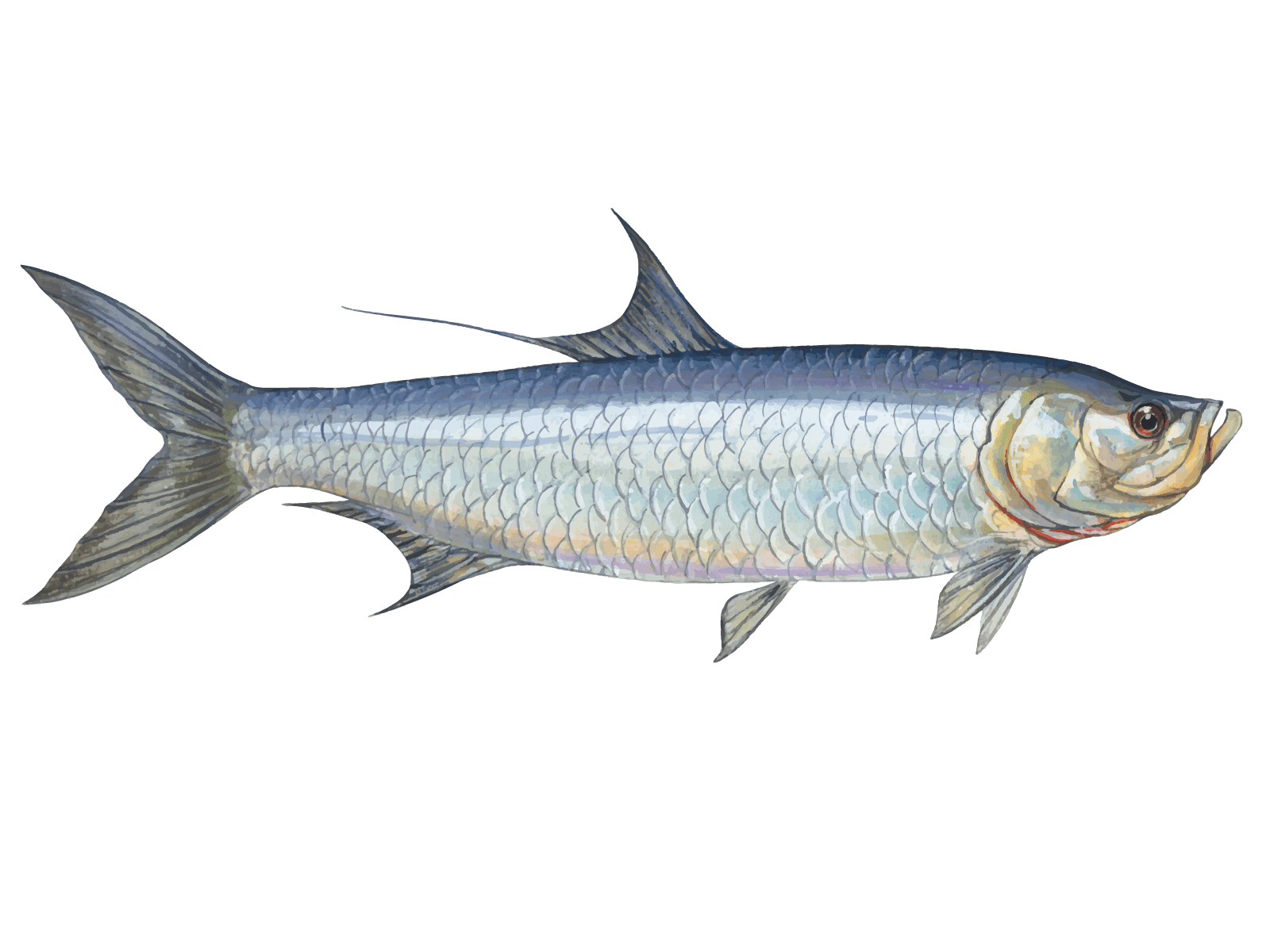
Tarpon are the true giants of Biscayne Bay. These silver kings can range from juvenile fish around 20 pounds to monsters pushing 150+ pounds. Peak season runs late spring through summer, but smaller tarpon are around year-round. What makes tarpon special isn't just their size – it's their aerial displays. When a tarpon goes airborne, rattling its gills and throwing the hook, it's a sight you'll never forget. They're catch-and-release fish, so it's all about the experience and the photos.
Redfish, or red drum, are the workhorses of the flats. These copper-colored fighters typically run 20-35 inches in our waters and are known for their powerful runs and stubborn fights. They're year-round residents but really shine in the fall months. Reds are perfect for anglers who want consistent action – they're not as finicky as snook and they'll eat a variety of baits. Plus, slot-sized fish make excellent table fare with their firm, flaky meat.
Time to Book Your Spot
This afternoon trip gives you the perfect window to experience some of South Florida's best inshore fishing without committing to a full day. Biscayne Bay's diversity means every trip is different – you might spend the day sight fishing the flats, working live bait around structure, or dropping down on the reefs. The 1:00 PM departure lets you sleep in, grab lunch, and still get a solid four hours of fishing time. With all gear, bait, licenses, and fish cleaning included, all you need to bring is your cooler for the catch and your enthusiasm for bending rods. Book with Dragg Running Junkie for an afternoon of top-rated inshore action that'll have you planning your next trip before you even hit the dock.
Learn more about the species
Gag Grouper
Gag Grouper are the ultimate ambush predators around Biscayne Bay's structure. Most run 16-24 inches, but the big males can hit 30+ inches and really test your drag. You'll find them hanging around rocky ledges, wrecks, and any hard bottom in 20-100 feet of water. They love our year-round temperatures, but cooler months often produce the biggest fish as they move shallower to feed. What guests love about gags is the pure power - once hooked, they immediately dive for cover and put up a bulldogging fight that'll surprise you. Plus, they're excellent eating with firm white meat. The key to landing them is locking down your drag tight from the start. Don't give them an inch or they'll wrap you up in the rocks every single time.
Red Snapper
Red Snapper are one of the most prized catches in these waters, typically running 1-2 feet and 5-10 pounds, though we occasionally hook into larger specimens. These bright red beauties live around structure in 30-200 feet of water - think reefs, wrecks, and rocky bottom. They're year-round residents here, but spring through fall gives you the best action when they're more active. What makes them special isn't just the fight - they're true warriors that'll try to wrap your line around anything they can find - but also the incredible table fare. That sweet, mild meat is restaurant-quality every time. Here's a local trick: when you hook one, keep steady pressure and don't let them get back to the bottom. Once they reach cover, they'll cut you off every time.
Redfish
Redfish are hands-down one of the most fun targets in the bay, and they're willing biters year-round. Most run 18-27 inches, but we get some real bulls pushing 35+ inches that'll test your tackle. They love cruising the shallow flats, oyster bars, and mangrove shorelines in 1-6 feet - sometimes so shallow their backs show above water. Fall and winter months are peak when they school up and feed heavily. What guests love is the visual fishing - you can often spot their bronze backs and that signature black spot near the tail before casting. They fight hard with long runs and never give up easy. Plus, they're fantastic eating with mild, sweet meat. Pro tip: when sight-fishing, lead them by a few feet and let your bait sink naturally. They're spooky in shallow water, so stealth beats speed every time.
Snook
Snook are the crown jewel of South Florida inshore fishing, and Biscayne Bay holds some beauties. Most fish run 18-28 inches, but the big girls can push 35+ inches and really put a bend in your rod. They love hanging around mangroves, docks, bridges, and creek mouths in 2-15 feet of water where baitfish gather. Warmer months from May through September are prime time when they're most active and feeding aggressively. What makes snook special is their explosive strikes and acrobatic fights - they'll jump, run, and gill-rattle like crazy. They're also fantastic table fare with sweet, flaky meat. One tip that saves a lot of heartbreak: keep your rod tip down during the fight. Snook have razor-sharp gill plates that'll cut your line instantly if you give them a high angle to work against.
Tarpon
Tarpon are the ultimate bucket-list fish, and when they show up in Biscayne Bay, it's pure magic. Most range from 50-150 pounds, though we see some real giants over 200. They cruise the flats, channels, and deeper holes in 5-40 feet, often rolling on the surface to gulp air. Late spring through summer is peak season when they migrate through our waters. What makes tarpon legendary isn't just their massive size - it's watching a 6-foot silver torpedo launch 8 feet out of the water when hooked. The aerial show and bulldogging runs can last an hour. We practice catch and release since they're not great eating anyway. Key tip: bow to the king when they jump. Drop your rod tip toward the fish during each leap or they'll throw the hook every time. It's called "bowing to the tarpon" for a reason.
About the 28 Contender
Vehicle Guest Capacity: 6
Manufacturer Name: Suzuki
Maximum Cruising Speed: 30
Number of Engines: 2
Horsepower per Engine: 250